


Evitar o contato próximo com outras pessoas é uma das maneiras mais eficazes de prevenir a propagação do coronavírus. Manter uma distância segura de pelo menos 1 metro pode reduzir significativamente o risco de contágio, especialmente em ambientes públicos ou fechados.

Evitar tocar o rosto, especialmente os olhos, nariz e boca, é fundamental para prevenir a transmissão do vírus. Ao tocar superfícies contaminadas e depois o rosto, você pode aumentar o risco de infecção.

Manter o distanciamento social é essencial para limitar a propagação do COVID-19. Evite aglomerações e mantenha uma distância de pelo menos 1 metro das outras pessoas, principalmente em locais fechados.

Lavar as mãos frequentemente com água e sabão por pelo menos 20 segundos ajuda a remover vírus e bactérias que possam estar presentes nas suas mãos. Caso não tenha acesso a água e sabão, utilize álcool em gel.
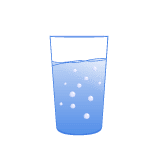
Manter-se hidratado ajuda a fortalecer o sistema imunológico e a manter o corpo saudável durante a pandemia. Embora a água não previna a COVID-19, ela é importante para o bem-estar geral, especialmente durante períodos de estresse.

O uso de máscara é uma medida importante para evitar a propagação do COVID-19, especialmente em ambientes fechados ou quando não é possível manter o distanciamento social. A máscara ajuda a proteger você e os outros ao redor.
Here You Will Find The Answers Of Your Most Asked Questions
Coronaviruses are a large family of viruses which may cause illness in animals or humans. In humans, several coronaviruses are known to cause respiratory infections ranging from the common cold to more severe diseases such as Middle East Respiratory Syndrome (MERS) and Severe Acute Respiratory Syndrome (SARS). The most recently discovered coronavirus causes coronavirus disease COVID-19.
COVID-19 is the infectious disease caused by the most recently discovered coronavirus. This new virus and disease were unknown before the outbreak began in Wuhan, China, in December 2019.
separates and restricts the movement of people who were exposed to a contagious disease to see if they become sick. These people may have been exposed to a disease and do not know it, or they may have the disease but do not show symptoms.
The separation of a person or group of people known or reasonably believed to be infected with a communicable disease and potentially infectious from those who are not infected to prevent spread of the communicable disease. Isolation for public health purposes may be voluntary or compelled by federal, state, or local public health order.
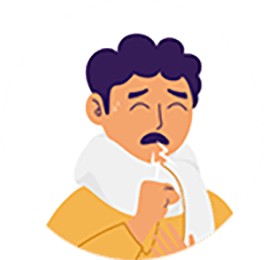
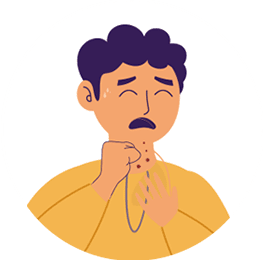
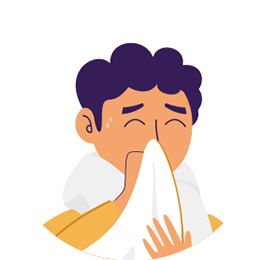
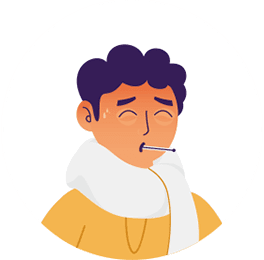
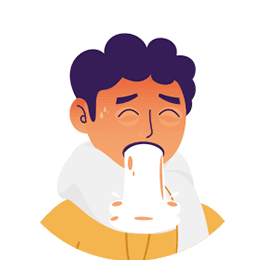
The most common symptoms of COVID-19 are fever, tiredness, and dry cough. Some patients may have aches and pains, nasal congestion, runny nose, sore throat or diarrhea. These symptoms are usually mild and begin gradually. Some people become infected but don’t develop any symptoms and don't feel unwell. Most people (about 80%) recover from the disease without needing special treatment. Around 1 out of every 6 people who gets COVID-19 becomes seriously ill and develops difficulty breathing. Older people, and those with underlying medical problems like high blood pressure, heart problems or diabetes, are more likely to develop serious illness. People with fever, cough and difficulty breathing should seek medical attention.
There is no specific medicine to prevent or treat coronavirus disease (COVID-19). People may need supportive care to help them breathe.
The following measures ARE NOT effective against COVID-2019 and can be harmful: Smoking, Wearing multiple masks. In any case, if you have fever, cough and difficulty breathing seek medical care early to reduce the risk of developing a more severe infection and be sure to share your recent travel history with your health care provider.
Currently, the source of SARS-CoV-2, the coronavirus (CoV) causing COVID-19 is unknown. All available evidence suggests that SARS-CoV-2 has a natural animal origin and is not a constructed virus. SARS-CoV-2 virus most probably has its ecological reservoir in bats. SARS-CoV-2, belongs to a group of genetically related viruses, which also include SARS-CoV and a number of other CoVs isolated from bats populations. MERS-CoV also belongs to this group, but is less closely related.
The virus that causes COVID-19 is mainly transmitted through droplets generated when an infected person coughs, sneezes, or speaks. These droplets are too heavy to hang in the air. They quickly fall on floors or surfaces. You can be infected by breathing in the virus if you are within 1 metre of a person who has COVID-19, or by touching a contaminated surface and then touching your eyes, nose or mouth before washing your hands.


